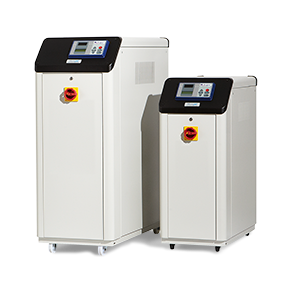
Industrial glycol chillers and process cooling systems for breweries and distilleries – engineered for precise fermentation temperature control, wort cooling and energy-efficient operation.
Temperature control is fundamental to every stage of the brewing process. From cooling hot wort after the boil through to maintaining stable fermentation temperatures and conditioning beer in brite tanks, each stage demands precise, reliable cooling to protect product quality and ensure batch-to-batch consistency.
Summit Process Cooling designs, supplies and installs brewery cooling systems built around the specific thermal demands of your brewhouse, fermentation hall and packaging line. Whether you operate a 5 BBL microbrewery or a large-scale production facility, we engineer cooling solutions that match your current capacity and allow for future expansion.
Our brewery cooling systems are built around propylene glycol chiller technology — the industry-standard approach for food-safe, sub-zero process cooling in brewing environments. We supply packaged air-cooled and water-cooled chillers, glycol distribution pipework, pump and tank sets, and temperature control systems, all integrated as a single turnkey solution or supplied as individual components to upgrade an existing cooling plant.
Cooling is required at multiple points throughout the brewing process. Each stage has different temperature targets, flow requirements and load profiles, and the cooling system must be designed to serve all of them reliably without overspecification or unnecessary energy consumption.
After the boil, wort must be cooled rapidly from around 95–100°C down to yeast pitching temperature — typically 10–20°C depending on the beer style. This is usually achieved using a plate heat exchanger (PHE), with cold liquor or glycol on the cooling side. Rapid wort cooling reduces the risk of bacterial contamination during the transfer to fermentation and helps achieve a clean, predictable fermentation start.
Summit supplies and integrates plate heat exchangers as part of the brewery cooling loop, sized to match your batch volume and target cooling time.
During active fermentation, yeast produces significant heat as it metabolises sugars. Fermentation temperatures must be held within a narrow range to control ester and phenol production — typically 18–22°C for ales and 8–14°C for lagers. Temperature deviations of even 1–2°C can noticeably affect flavour profile and fermentation performance.
Glycol is circulated through the cooling jackets of fermentation vessels to remove this metabolic heat. The glycol supply temperature is typically maintained between –4°C and –6°C, using a propylene glycol concentration of around 30–35% to prevent freezing while maintaining efficient heat transfer.
Our systems provide individual temperature control per vessel, allowing different fermentation profiles to run simultaneously across your FV bank.
At the end of fermentation, many brewers drop the vessel temperature rapidly — often from fermentation temperature down to 0–2°C over 24–48 hours. This crash cooling step encourages yeast and protein to flocculate and settle, improving beer clarity before transfer. Crash cooling represents the peak cooling load for most breweries and must be factored into chiller sizing to avoid overloading the system during this period.
Beer transferred to conditioning or brite tanks is held at low temperatures — typically 0–3°C — for carbonation, maturation and clarity. Glycol-jacketed brite tanks require a consistent, low-level cooling supply to maintain these temperatures, particularly in warmer months when ambient heat gain increases.
Many breweries use a cold liquor tank as a thermal buffer — storing chilled water (typically at 2–4°C) that is used for wort cooling and other process demands during the brew day. The chiller replenishes the CLT during off-peak periods, reducing the peak electrical demand on the cooling system and allowing a smaller chiller to serve a larger brewhouse.
Summit designs brewery cooling systems that integrate CLT storage where appropriate, balancing capital cost against operational efficiency.
Temperature-controlled cold rooms for finished beer, raw ingredients or yeast storage may also be served by the central glycol loop or by dedicated split systems, depending on load and layout.
Air-cooled and water-cooled packaged chiller units, sized from 3 kW to 1,400 kW cooling capacity. Our brewery chillers deliver glycol at stable sub-zero temperatures, with inverter-driven compressors and modulating capacity control to match the fluctuating cooling demand typical of brewing operations — from low overnight loads through to peak crash cooling periods.
We supply chillers from leading European manufacturers including Frigel and Hitema, selected for reliability, energy efficiency and serviceability.
Single-stage and two-stage plate heat exchangers for wort cooling, sized to your batch volume, boil temperature and target pitching temperature. Two-stage configurations use cold liquor in the first stage and glycol in the second, achieving lower wort temperatures with greater energy recovery.
Custom-built pump skid and glycol buffer tank packages, designed to match your system flow rate, vessel count and distribution pipework layout. Available in single-pump or run-standby configurations for critical applications where uninterrupted cooling is essential.
Individual vessel temperature controllers with setpoint programming for fermentation profiles, crash cooling schedules and conditioning holds. Systems can include remote monitoring and data logging for process traceability and quality assurance.
Full mechanical installation of insulated glycol flow and return pipework from the chiller plant room to your fermentation hall, conditioning area and any other cooling points. All pipework is insulated to minimise thermal losses and prevent condensation.
Selecting the right chiller capacity for a brewery depends on several factors specific to your operation:
Undersizing the chiller is one of the most common problems we see in brewery cooling systems — particularly when crash cooling multiple vessels at once pushes the system beyond its capacity. Equally, oversizing wastes capital and energy.
Summit’s engineering team carries out a full thermal load assessment before specifying any system, ensuring the chiller, pipework, pump set and control system are matched to your actual process requirements — not a generic estimate.
While brewery cooling is our primary focus in this sector, Summit Process Cooling also designs and installs cooling systems for:
Each of these environments has its own process demands. Contact our team to discuss your specific application.
We pride ourselves in being innovative and ahead of the market, so for this to be of maximum success it requires continuous improvement. Once you’re working with Summit Process Cooling, we will endeavour to continue to support you to the highest standard.
Currently, we are offering Lease and Hire options as well as Capital Purchase.
Over 15 years Capital Purchase is the most cost-effective option, with a large investment in the first year.
The Lease option is the second most cost-effective choice, and you will own the system at the end of the lease period, but you hold repair cost responsibility after the warranty period has ended. Therefore, you may experience unexpected repair costs throughout the life of the equipment.
Hire is the most expensive option. You will not own the equipment, but it is a fantastic option to guarantee your monthly costs, and as you don’t own the equipment, you are not responsible for any repair work. Every 5 years we replace your unit with a brand-new model, ensuring you are always using the latest equipment on the market.
Whether you’re planning a new brewery, expanding your fermentation capacity or upgrading an existing cooling system, Summit Process Cooling can help.
Call us on +44(0)1827 213 401 or email hello@summitprocesscooling.co.uk to arrange a free technical consultation.