Summit Systems, based in Tamworth, supplies, installs and maintains plastics process cooling for UK manufacturers: process chillers, mould temperature control units and central cooling systems for injection moulding, extrusion and blow moulding, nationwide. We are the exclusive UK distributor of Frigel to the plastics industry, and we also supply SISE and Hitema equipment. We are not tied to one manufacturer, so the unit we specify is the one that fits your process. Summit has supplied the UK plastic industry with materials handling, drying and automation for over 35 years, and cooling since 2018. We are REFCOM registered, ISO 9001 certified and SafeContractor approved.
Call 01827 265 800 or get a free quote. Chiller down? Breakdown repair and servicing covers chillers and temperature control units of any make, nationwide (we do not service centrifugal compressor chillers).
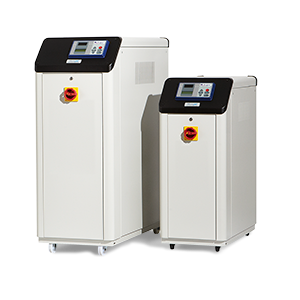
We provide bespoke temperature control units that provide temperature control for a variety of industries and unique requirements.

Discover efficient air cooled chillers at Summit Systems. Enhance your process cooling with our reliable and eco-friendly air cooled chiller solutions.

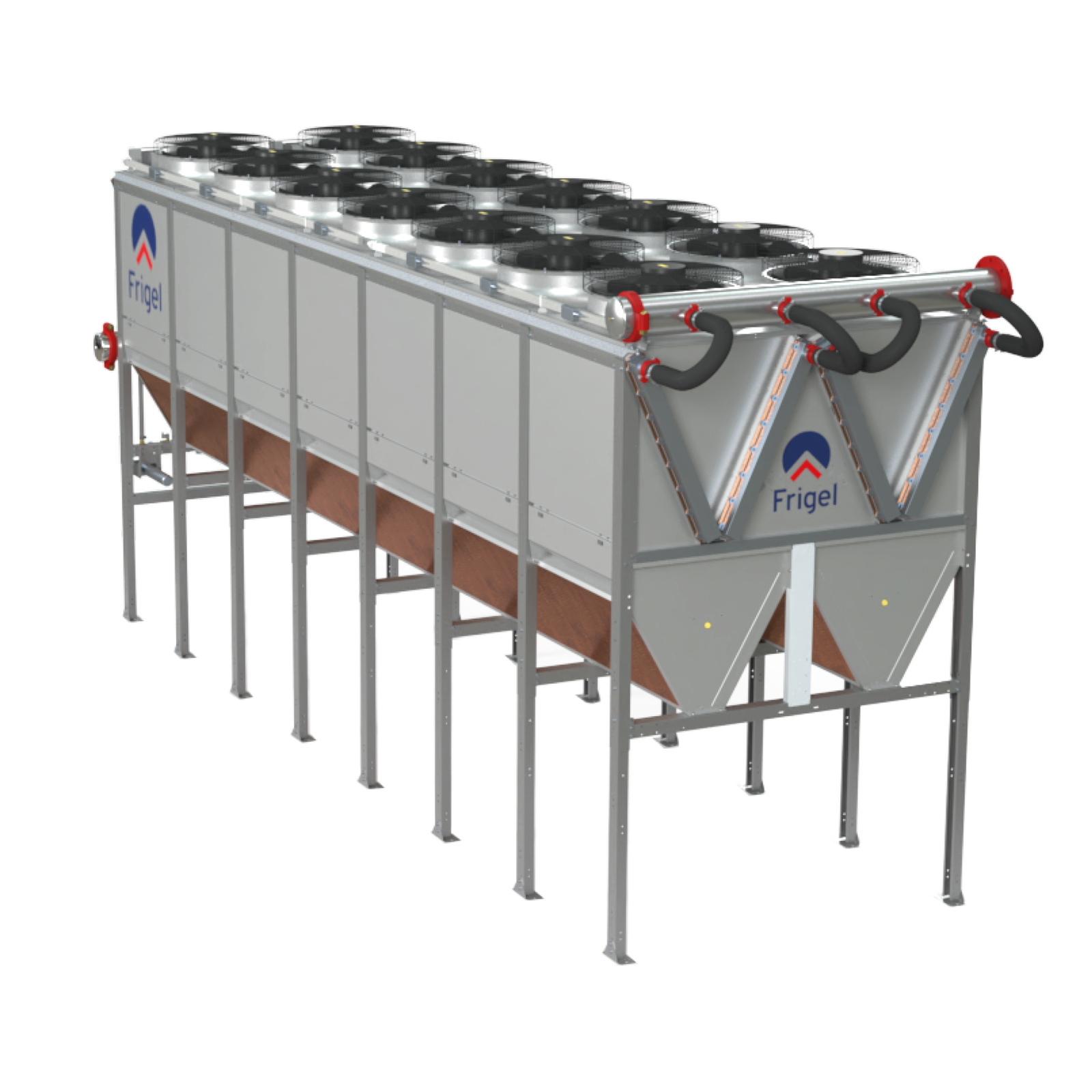
Summit’s Adiabatic Cooling Units, offering a minimal footprint & low energy use. Enjoy similar water supply temperatures to evaporative cooling towers.

Cut energy costs and extend the life of your chiller with a simple, retro-fit Free Cooling system that delivers huge savings—often paying for itself in under 12 months.

Discover versatile and customised Pump Skids, designed and manufactured by Summit Systems to meet your exact production requirements

The “Cap Cooler” machine from Frigel was specially designed for cooling caps before they are discharged into the collecting box.
Our refrigeration engineers are regionally based across the UK and repair and service chillers and temperature control units of any make, not only the ones we sell. We do not service centrifugal compressor chillers. Planned maintenance contracts, breakdown callouts and spare parts are all handled by the same team.
Summit Systems has supplied materials handling, drying and automation to UK plastics processors for over 35 years, and added process cooling in 2018 by acquiring Total Process Cooling, a specialist with 30 years in water cooling. The cooling team sits alongside the people who already know your granulators, dryers and conveying, so one supplier covers the whole line.
We are REFCOM registered, ISO 9001 certified and SafeContractor approved. We are not tied to one manufacturer, so the chiller or temperature control unit we specify is the one that fits your process, not the one we have to sell. Head office is in Tamworth, Staffordshire, with service engineers based around the country.
Summit Systems does, from Tamworth, nationwide: chillers, mould temperature control units, central cooling, adiabatic and free cooling for injection moulding, extrusion and blow moulding, supplied, installed and maintained by one team. We are the exclusive UK distributor of Frigel to the plastics industry, also supply SISE and Hitema, and specify whichever unit best fits the job. Other UK suppliers serve the plastics sector too; the difference with Summit is that the same company already supplies your dryers, granulators and conveying.
Every moulding and extrusion process puts heat into the polymer and has to take it out again before the part can be handled. In injection moulding the cooling phase is typically 40 to 80% of the cycle, so the speed and stability of your cooling water sets how many parts an hour the press makes. Unstable water temperature shows up as warping, sink marks and scrap. Process cooling is the plant that removes that heat reliably, at the temperature each process needs, all year round.
Typical ranges from our engineers:
| Process | Typical water temperature |
|---|---|
| Mould cooling (injection moulding) | 10 to 80°C |
| Extrusion cooling tanks and calibrators | 10 to 20°C |
| Machine hydraulic oil cooling | 25 to 30°C |
Mould cooling and extrusion cooling are the ones most likely to need chilled water, depending on the application. Hydraulic oil runs on a warmer water circuit and does not usually need chilled water at all, which is why Fisher Plastics moved its hydraulic oil onto an adiabatic cooler and kept the chiller for the moulds. Hot runner and engineering-polymer moulds that run above that range use a temperature control unit instead: water units to 90°C and 180°C, oil units to 350°C. One plant usually needs two or three of these circuits at once, which is why a central system with a chiller, a free cooler and temperature control units at the machines is the usual answer.
Air cooled units give full cooling performance without a condenser water source, so they need no cooling tower or water treatment. Water cooled units suit larger plants that already have a tower or an adiabatic cooler. A free cooling option uses ambient air to cool the water whenever the outside temperature allows, which can cut energy consumption by over 60%. Our process chillers cover all three, and the free site survey tells you which fits your load.
Fisher Plastics in Huddersfield replaced the chiller plant cooling its moulds and hydraulic oil and cut cooling energy by 90%, saving 357,667 kWh and £150,220 a year. On the production side, Carclo cut cycle time by an average of 9% across four moulding lines with Microgel temperature control units, and a tier 1 automotive moulder got a 20% cycle reduction from one dual-zone unit replacing four tool heaters, held at 11% in production because of downstream limits. Not every plant will see those numbers, but the survey will tell you what yours would.
Our engineering team calculates the cooling load for each plant from its own production: the number and size of machines, the polymer, material throughput, processing temperatures, water flow rates and any extra loads such as hydraulic oil cooling. We also look at the cooling you already have, how the site runs and where it may expand, so the system is sized correctly and runs efficiently. We do it as part of the free survey rather than from a rule of thumb, because an undersized system shows up as scrap in July and an oversized one wastes energy every other month. As an example, for ABB Cable Management we supplied a 300 kW Hitema chiller with integrated free cooling, serving multiple production machines, with duty and standby pump skids for full redundancy.
A planned maintenance visit is there to catch problems early, before they stop production. A typical visit covers:
After each visit our engineer sends a detailed electronic report with findings and any recommended repairs or parts. We usually recommend an annual service for smaller chillers and two visits a year for larger systems, tailored to the equipment, how hard it runs and the site. Some refrigerant types and quantities need additional F-Gas inspections. Our repair and maintenance team covers chillers and temperature control units of any make, excluding centrifugal compressor plant, and a maintenance contract fixes the cost.